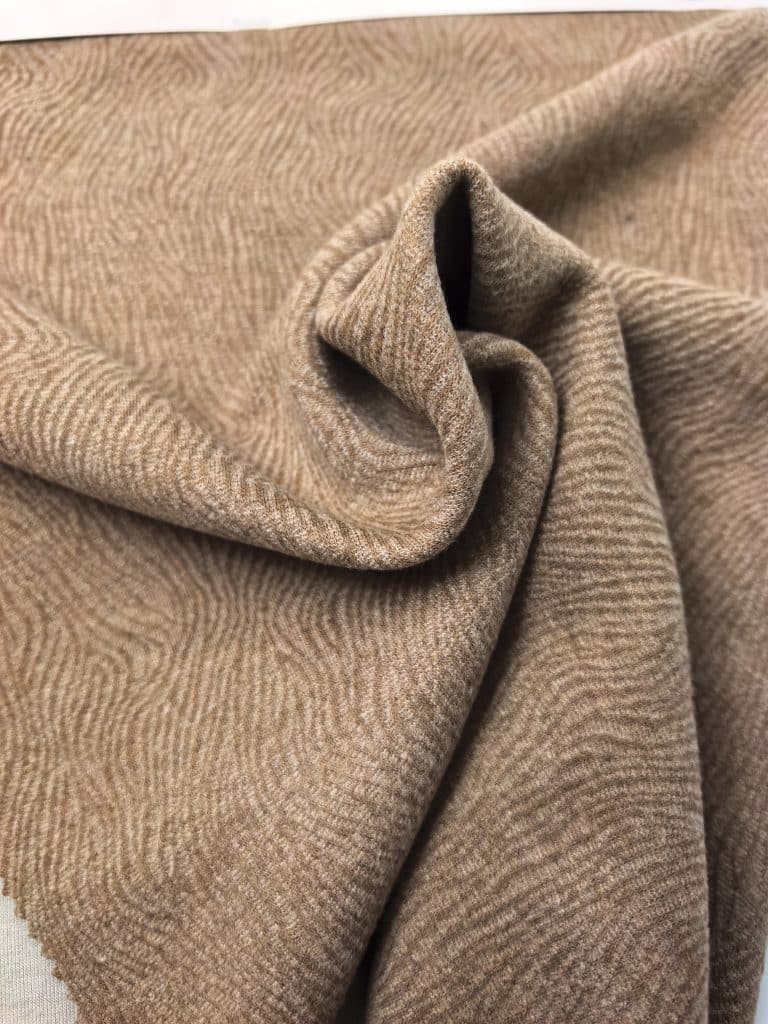
Imitation Cashmere: Velvet Tech Breakthrough
In recent years, the textile industry has witnessed remarkable advancements, particularly in the development of innovative materials that blend comfort with sustainability. One such breakthrough is the introduction of imitation cashmere polyester fabric, a revolutionary alternative that captures the luxurious feel of cashmere.
This fabric offers enhanced durability and affordability. This blog post explores the key features and benefits of imitation cashmere, highlighting how this velvet tech innovation is transforming the way we think about high-quality fabrics.
Whether you are a fashion enthusiast or simply seeking comfortable everyday wear, understanding this emerging fabric can help you make informed choices for your wardrobe.
Market demand driving factors
The growing demand for cashmere like composite fabrics in the global textile market is driven by consumers’ urgent pursuit of cost-effective and high-quality substitutes. Traditional cashmere is expensive and difficult to care for.
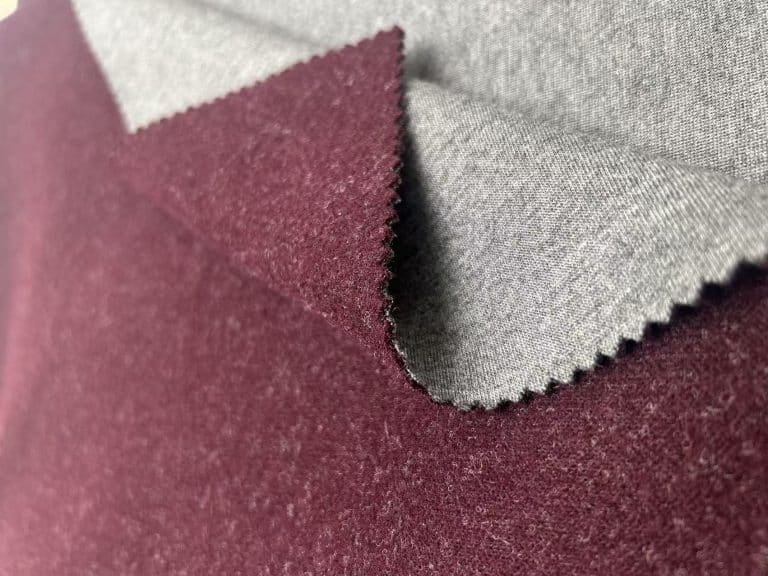
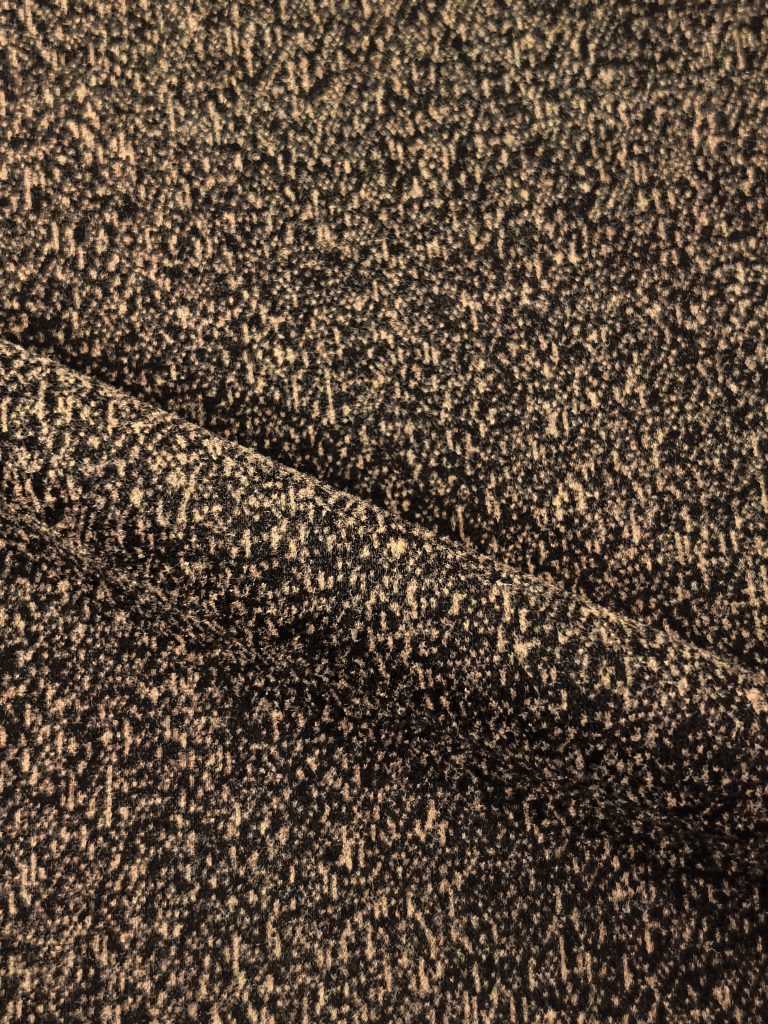
On the other hand, polyester and viscose composite imitation cashmere fabrics, through velvet or plain weave bonding technology, approach the texture of cashmere visually and tactilely.
They retain practical characteristics such as machine washing, wear resistance, and resistance to shrinkage. This feature fits the consumption psychology of the middle class and young consumers, who seek a wearing experience similar to luxury goods with a lower budget.
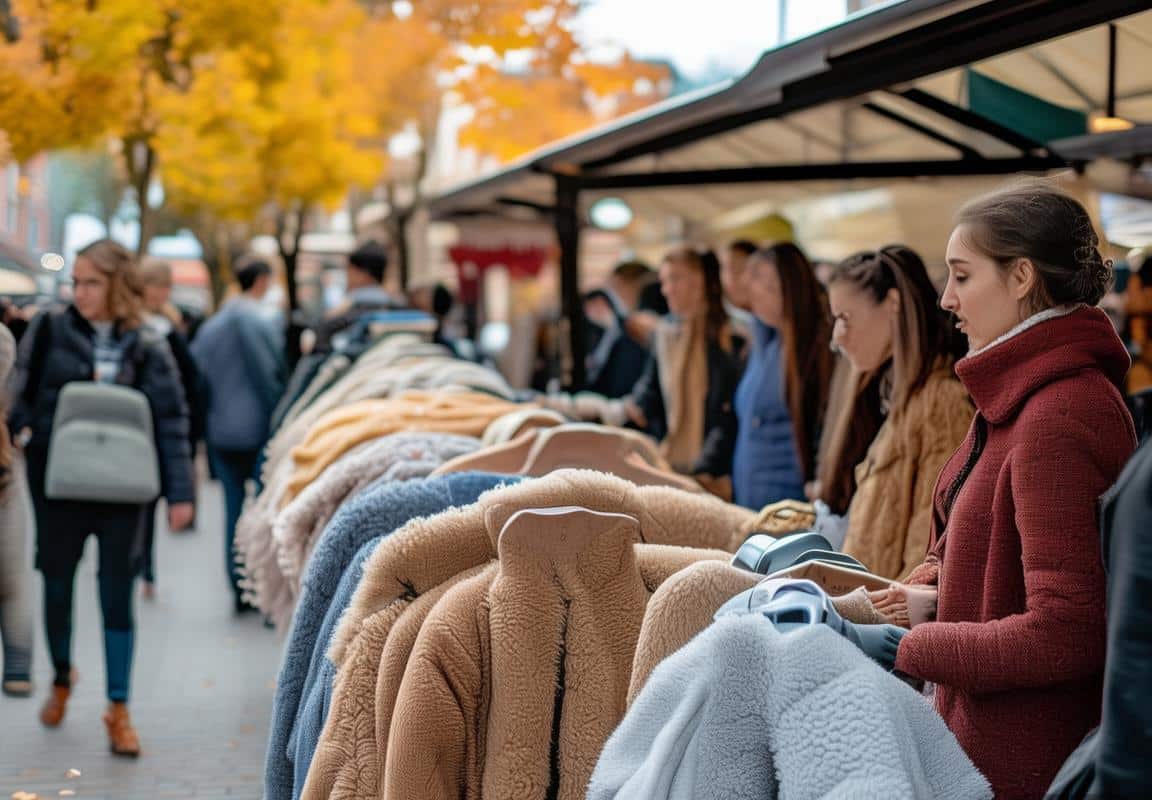
The two major sub-markets of outdoor sports and fast fashion are becoming the main growth engines. Outdoor brands need to balance warmth and lightweight.
Cashmere like composite fabrics are lighter than wool blankets or real cashmere while maintaining fluffiness and heat storage, and have the advantage of quick drying.
Fast fashion brands utilize their low cost and fast dyeing capabilities to price imitation cashmere jackets, scarves, and other items in the $15 to $30 range, significantly lowering the consumer threshold.
In addition, the visual marketing of live streaming e-commerce and social media has amplified the display effect of the soft and luxurious texture of the fabric.
This prompts brands to make imitation cashmere fabric the main material for autumn and winter promotion. The concentrated orders and seasonal replacement demands in cold regions of the northern hemisphere further consolidate the market foundation of this fabric.
Production process and technological breakthroughs
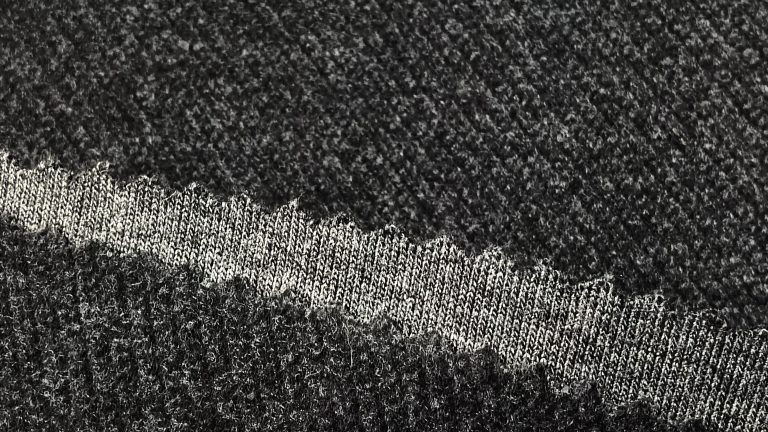
The composite process of polyester and viscose fibers achieves uniform fusion at the fiber level through combing and blending technology. This makes the fabric approach the fluffy and soft texture of natural cashmere in terms of contact feel.
The core breakthrough lies in the construction of a cashmere like microporous structure. Fine grooves are formed on the surface of polyester through alkali reduction treatment, combined with the high moisture absorption of adhesive, making the fabric both breathable and skin-friendly.
In terms of pilling technology, the new generation of steel wire pilling machine adopts frequency conversion control and progressive combing, with a pile density of over 3000 fibers per square centimeter. The length error of the plush is controlled within ± 0.2 millimeters, avoiding the common phenomenon of backhair or exposed bottom in traditional processes.
The iteration of plain fitting technology is equally crucial. The coating thickness of the hot melt adhesive film has been reduced from 0.08 millimeters to 0.05 millimeters, and it is distributed in a dot matrix pattern, ensuring a strong bond between the two layers of fabric while retaining sufficient air interlayer, thereby increasing the insulation rate by about 12%. On the continuous production line, the infrared thermal imaging instrument monitors the temperature of the bonding surface in real time, with a temperature difference controlled within ± 1.5 ° C, to prevent overheating from causing polyester thermal shrinkage and wrinkling. In addition, the cold water setting process has been replaced with a dynamic cooling roller system, which reduces the temperature of the fabric from 180 ° C to 40 ° C within 60 seconds, eliminates internal stress, and avoids curling or loosening of the finished product after storage. These technological combinations enable the imitation cashmere composite fabric to achieve a pilling resistance level of 4-5 (ISO 12945 standard), and the wool retention rate still exceeds 85% after 20 machine washes, solving the bottleneck of short service life of early imitation cashmere fabrics.
The core cost advantage of imitation cashmere polyester adhesive composite fabric lies in the price of raw materials. The price per kilogram of high-quality cashmere fiber often exceeds $100, while the combined cost of polyester and viscose fibers is only in the range of $3 to $5, a difference of more than twenty times.
Even with complex velvet or plain weave bonding processes, as well as anti-static and anti-pilling treatments in the post-finishing process, the total cost of the final fabric remains much lower than that of similar natural cashmere products.
Overall, the rise of imitation cashmere represents a significant trend towards sustainable and affordable fashion.
This shift indicates a promising future for imitation cashmere in the textile market.
Brand owners can therefore lower the selling price of finished products to one-fifth or even lower than natural cashmere products, directly reaching the middle-income consumer group.
The core cost advantage of imitation cashmere polyester adhesive composite fabric lies in the price of raw materials. The price per kilogram of high-quality cashmere fiber often exceeds $100, while the combined cost of polyester and viscose fibers is only in the range of $3 to $5, a difference of more than twenty times. Even with complex velvet or plain weave bonding processes, as well as anti-static and anti pilling treatments in the post finishing process, the total cost of the final fabric is still much lower than that of similar natural cashmere products. Brand owners can therefore lower the selling price of finished products to one-fifth or even lower than natural cashmere products, directly reaching the middle-income consumer group.
The efficiency of the supply chain is another key support. Polyester and viscose are both bulk products in the petrochemical and synthetic fiber industries, with stable global production and supply not constrained by seasons or livestock cycles. Fabric factories can flexibly adjust their production capacity based on order volume. The standard production cycle from raw material warehousing to composite fabric warehousing only takes 15 to 20 days, while natural cashmere often takes two to three months from collection, sorting to spinning and weaving. This means that brand owners can significantly reduce inventory turnover days and minimize capital occupation.
In terms of logistics transportation, the unit weight cost of this fabric is lower than that of cashmere, and the transportation cost is lower for the same volume. Meanwhile, due to its resistance to insect infestations and the absence of special storage conditions, the loss rate in warehousing and cross-border transportation has been significantly reduced. Taking into account raw materials, production cycle, and circulation costs, the imitation cashmere composite fabric provides buyers with an overall cost saving space of about 40% to 50%, and this advantage becomes increasingly evident after large-scale procurement.
Environmental Protection and Sustainability Trends
The advantages of imitation cashmere polyester adhesive composite fabric in environmental protection and sustainability are significant. The production process completely avoids the traditional cashmere industry’s dependence on goats.
This approach eliminates land desertification and biodiversity destruction caused by overgrazing. From the perspective of water consumption, the water usage per ton of viscose fiber is only about one-tenth of that of native cashmere, and modern chemical systems achieve closed-loop treatment of wastewater.
On the material side, both polyester and adhesive can be recycled and reused through industrial recycling systems. The current mainstream technology can depolymerize waste polyester clothing into raw materials, mix them with regenerated cellulose fibers to make cashmere like fabrics, which have almost the same performance as the original materials and reduce the consumption of petroleum based raw materials. Some leading manufacturers have also introduced plant-based adhesives (such as bamboo pulp or wood residue extraction), further reducing dependence on fossil fuels.
From the perspective of textile life cycle assessment, the washability and pilling resistance of synthetic cashmere composite fabrics are superior to natural cashmere, which extends the service life of clothing and reduces waste generated by frequent replacement. Brands can construct ESG narratives in marketing based on this: without sacrificing touch and aesthetics, they can also avoid animal ethical controversies. The green procurement policies of the European Union and North American markets are accelerating the application of such compliant fabrics. It is expected that within the next five years, the use of recycled raw materials and closed-loop water treatment for imitation cashmere composite products will become a standard competitive advantage for export enterprises.
Regional market growth potential
As the world’s largest textile production and consumption market, China’s eastern coastal cities and inland second- and third-tier cities continue to increase their acceptance of imitation cashmere composite fabrics. According to data from domestic e-commerce platforms, the average annual growth rate of search volume for cashmere jackets in autumn and winter seasons is about 20%.
This growth benefits from live streaming sales and social e-commerce promotion of cost-effective cashmere alternatives. At the same time, domestic brands are shifting traditional cashmere orders to composite fabrics to reduce costs.
The domestic market has become a stable cornerstone.
The demand for imitation cashmere composite fabrics in Southeast Asian markets (represented by Vietnam and Indonesia) is driven by the transfer of fast fashion OEM industry. When local clothing processing factories undertake international brand orders, they need to balance material texture and tariff costs. Cashmere composite fabrics have a price advantage under the ASEAN zero tariff trade framework due to the exemption of cashmere origin restrictions. It is expected that by 2027, the import volume of composite fabrics in this region will account for more than 15% of the global total, with polyester viscose ratio models being the most favored.
The potential of the Middle East market (such as Saudi Arabia and the United Arab Emirates) comes from two major structural changes: one is the upgrading demand for traditional robes and headscarves, where consumers tend to choose lightweight, warm, and easy to maintain composite materials instead of traditional wool; The second is the local policy support for the extension of the petrochemical industry chain. The United Arab Emirates has established secondary processing parks for polyester fibers, which can directly supply the regional market after local compounding. In addition, high-end retail channels in the Middle East can charge a markup rate of up to 30% for imitation cashmere fabrics, which brand Founder uses to promote the concept of “new luxury”. On the logistics level, the sea freight cycle from China to the Middle East has been shortened to 14 days, and the route freight rates have stabilized, creating conditions for high-frequency replenishment. The differences in demand among the three regions have prompted manufacturers to develop specific weight and suede density products for different climates and wearing habits. In the next five years, the combined share of Asia Pacific and the Middle East is expected to exceed 70% of the global market share of cashmere like composite fabrics.