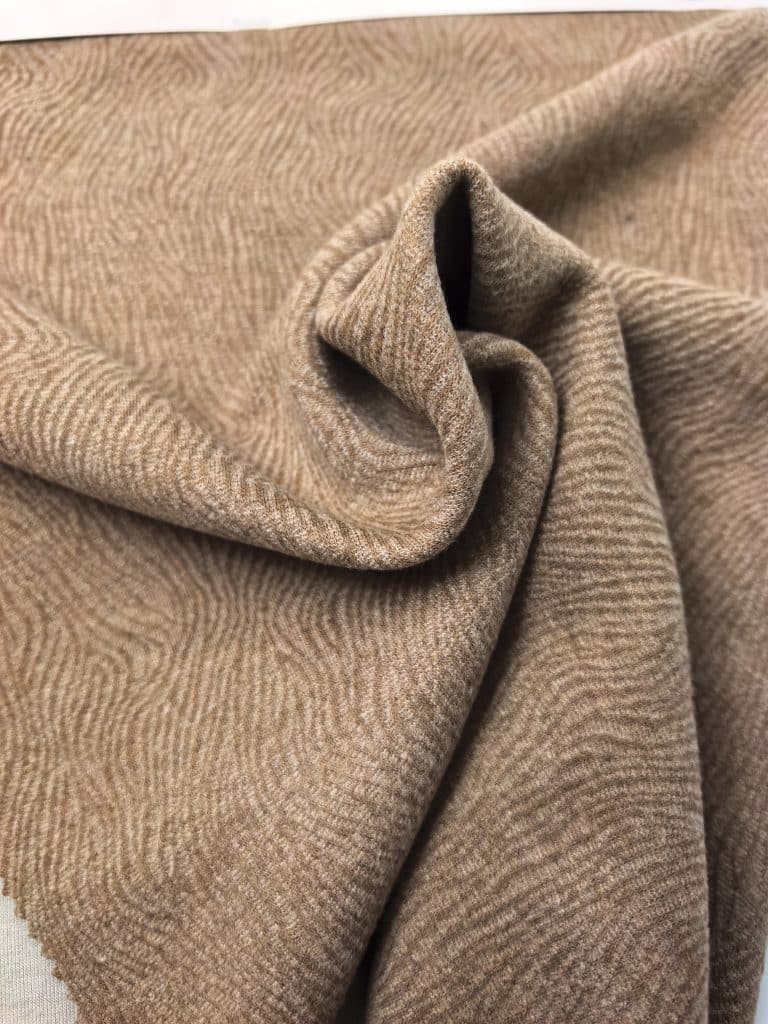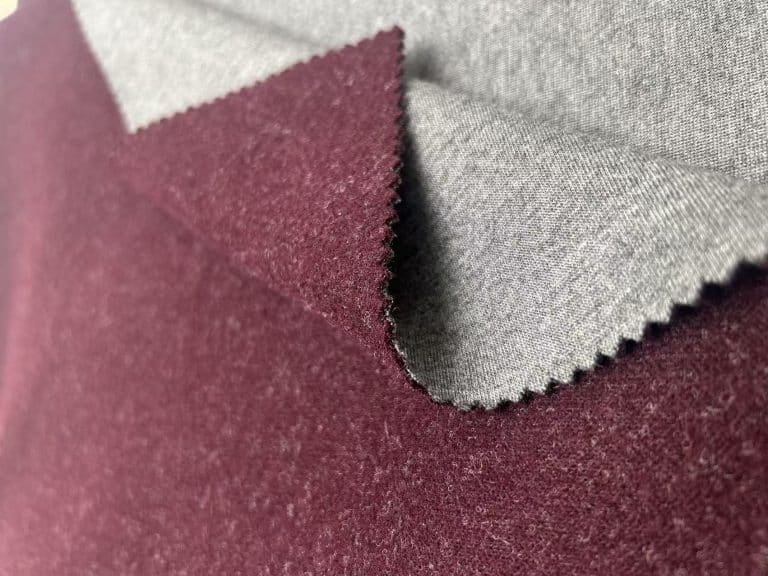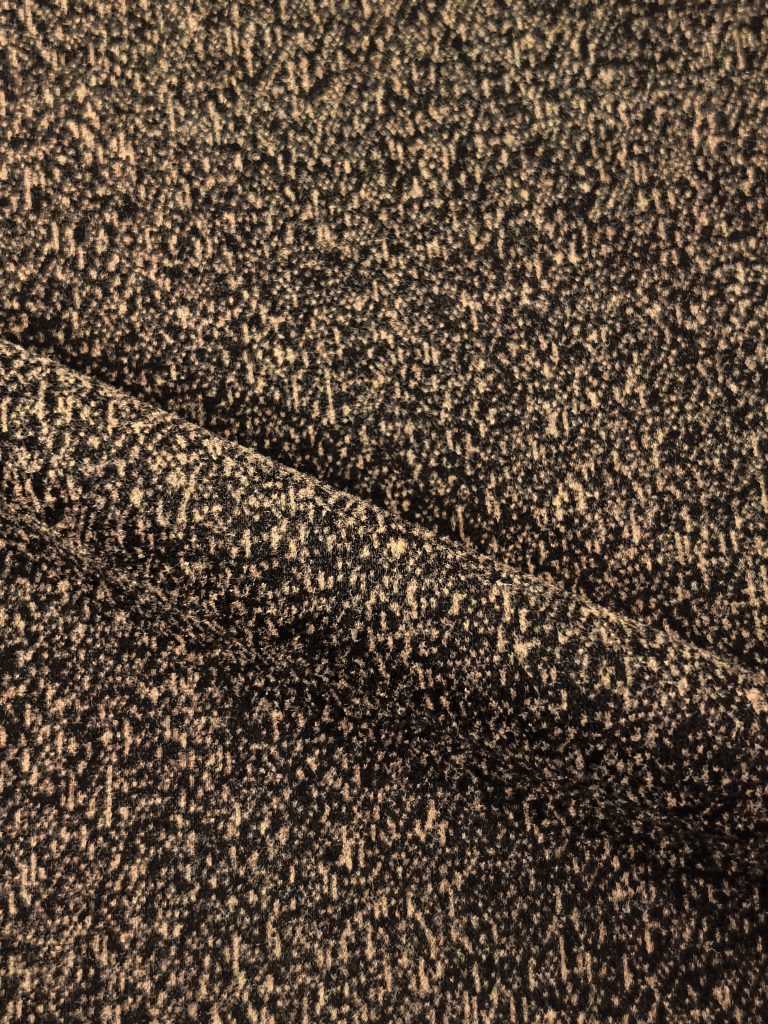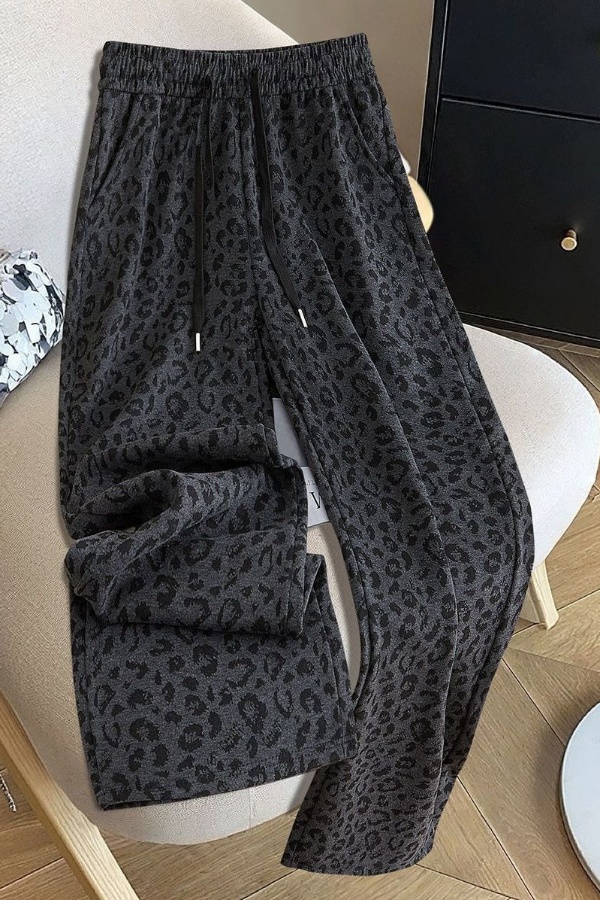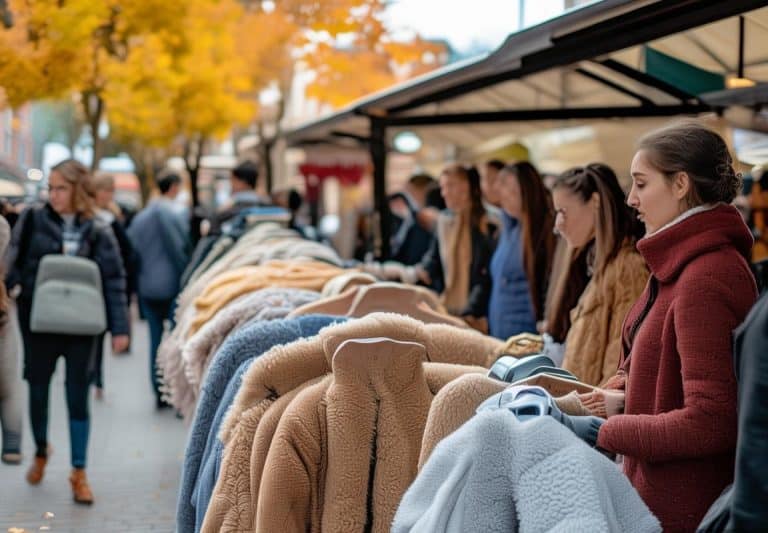
Innovations that combine aesthetics and functionality in autumn and winter fabrics: Bonded, a fabric that combines acetate fiber, wool, polyester, and rayon fibers through thermal bonding
Introduction to Seasonal Fabric Innovations
In today’s rapidly evolving fashion and design landscape, the choice of fabric has become more crucial than ever. As seasons change, designers and business owners are on the lookout for materials that not only meet aesthetic demands but also fulfill functional needs. Among the innovations making waves in the textile industry is bonded fabric, a versatile option that combines the best of both worlds. This article explores the essence of bonded fabrics, their aesthetic appeal, functional benefits, and future trends in fabric innovations.
The Shift in Textile Trends for Autumn and Winter
As we transition from the warmth of summer to the crisp air of autumn and the chill of winter, the textile trends also shift. Designers are gravitating towards materials that offer warmth and comfort without sacrificing style. Bonded fabrics, known for their insulating properties and unique textures, have emerged as a favored choice. These fabrics not only keep wearers warm during colder months but also adapt to the latest fashion trends, allowing for a variety of textures, colors, and patterns.
This seasonal shift emphasizes the need for innovative materials that address both fashion demands and functional requirements. Business owners in the textile and fashion industries must stay informed about these trends to remain competitive and meet the evolving tastes of their clientele.
Understanding Bonded Fabrics
What Are Bonded Fabrics?
Bonded fabrics are textiles created by bonding two or more layers of fabric together, often using adhesives or thermal methods. This process results in a single material that combines the properties of the individual layers, leading to enhanced performance and unique qualities. The bonding process can involve various techniques, such as ultrasonic welding or heat sealing, and can incorporate a diverse range of materials.
The result is a fabric that may exhibit characteristics such as improved durability, water resistance, and enhanced insulation, making it suitable for a variety of applications—from fashion apparel to home décor.
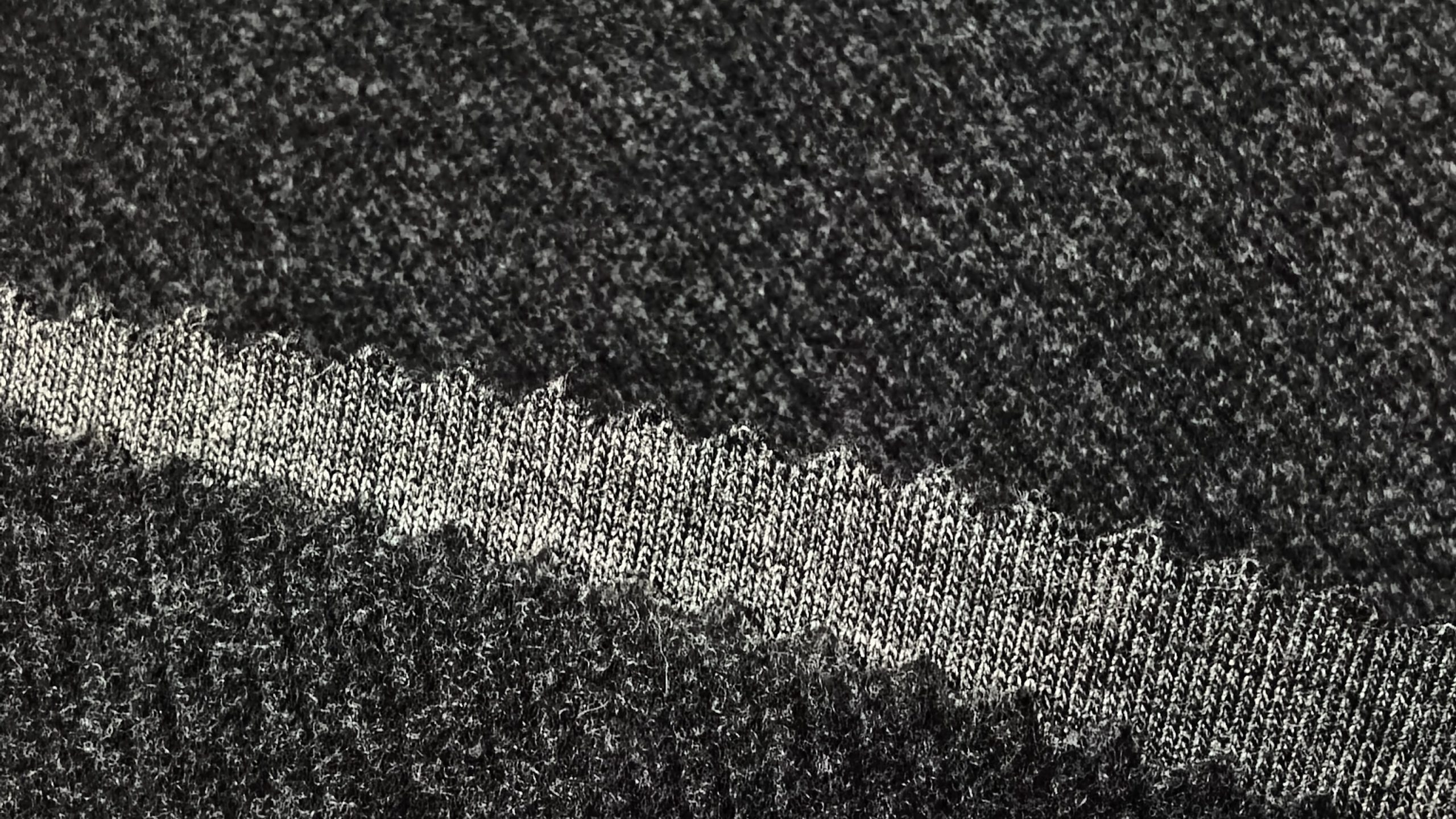
The Composition of Bonded Fabrics: A Closer Look at Acetate, Wool, Polyester, and Rayon
The composition of bonded fabrics can vary significantly, depending on the desired properties and applications. Common materials used in bonded fabrics include acetate, wool, polyester, and rayon. Each of these fibers contributes distinct advantages to the final product. For instance, acetate is known for its silky texture and vibrant color retention, while wool provides natural warmth and breathability. Polyester, on the other hand, is celebrated for its durability and ease of care, making it a practical choice for everyday wear.
Rayon, a semi-synthetic fiber, offers a luxurious feel and draping quality. When these materials are bonded together, they can create fabrics that not only look sophisticated but also function effectively in various climate conditions, particularly during the colder months. Understanding the composition of these fabrics allows designers to craft garments that resonate with the current trends while ensuring comfort and practicality.
Thermal Bonding: The Technology Behind Bonded Fabrics
One of the most significant advancements in the creation of bonded fabrics is thermal bonding technology. This process involves the application of heat to fuse fabric layers together, eliminating the need for traditional stitching methods. The benefits of thermal bonding include increased strength and reduced seam bulk, allowing for a cleaner aesthetic and greater flexibility in design.
Moreover, thermal bonding enhances the fabric’s performance properties by creating a more cohesive material that is less prone to fraying and wear. This technology has revolutionized the way fabrics are designed and manufactured, particularly in the fashion industry, where seamless designs and tailored looks are highly sought after. As designers increasingly adopt thermal bonding techniques, the possibilities for innovative garment designs continue to expand.
The Aesthetic Appeal of Bonded Fabrics
Textural Qualities and Visual Impact
Bonded fabrics are celebrated for their distinctive textural qualities, which can range from smooth and sleek to soft and plush. This variety allows designers to play with different sensations and visual impacts in their creations. The layering effect achieved through bonding can create depth, adding an extra dimension to garments that captivates the eye.
The visual appeal of bonded fabrics is further enhanced through the use of innovative printing techniques and finishes. Designers can experiment with colors, patterns, and textures that resonate with the autumn and winter aesthetic, ensuring that their collections remain fresh and appealing. The unique qualities of bonded fabrics enable the creation of standout pieces that can define a fashion line.
Color Palettes and Patterns Suitable for Autumn and Winter
As autumn and winter approach, color palettes typically shift towards warmer, richer hues. Deep burgundies, earthy browns, and vibrant reds are favored during this season, complementing the natural landscape. Bonded fabrics can be dyed and printed in a wide array of colors, allowing designers to align their creations with seasonal trends.
Patterns, too, play a crucial role in the aesthetic appeal of bonded fabrics. Geometric prints, organic motifs, and even florals can be effectively incorporated into bonded textiles, providing endless possibilities for creative expression. As designers harness the potential of bonded fabrics, they can create visually stunning collections that speak to contemporary tastes.
The Role of Design in Enhancing Fabric Aesthetics
The design process is fundamental to maximizing the aesthetic appeal of bonded fabrics. Designers must consider not only the color and pattern but also the silhouette, texture, and construction of the garments they create. The unique qualities of bonded fabrics allow for innovative draping and tailoring techniques, resulting in designs that are both fashionable and functional.
Additionally, the use of layering techniques enables designers to incorporate contrasting textures and colors, creating visually dynamic pieces that stand out. As designers continue to explore the capabilities of bonded fabrics, we can expect to see increasingly imaginative and eye-catching designs that redefine the boundaries of fashion.
The Functional Benefits of Bonded Fabrics
Insulation and Warmth: Meeting Seasonal Needs
One of the primary functional benefits of bonded fabrics lies in their ability to provide insulation and warmth. The combination of different layers allows for enhanced thermal retention, making them an excellent choice for winter apparel. This feature is particularly valuable for outerwear, where the need to shield against cold weather elements is paramount.
Furthermore, bonded fabrics often incorporate moisture-wicking properties, which help to regulate body temperature and keep the wearer comfortable. This functionality is crucial during colder months when layering clothing becomes essential. Designers are increasingly recognizing the importance of these properties, integrating bonded fabrics into their winter collections to meet consumer demands for warmth and comfort.
Durability and Maintenance: A Practical Choice
Durability is another significant advantage of bonded fabrics. The bonding process creates a more resilient material that is less likely to fray or deteriorate compared to traditional fabrics. This resilience translates to longer-lasting garments, making bonded fabrics an economically wise choice for consumers and business owners alike.
In addition to durability, bonded fabrics are often easier to maintain. Many bonded textiles are machine washable and resistant to wrinkling, making them suitable for everyday wear. This practical aspect appeals to busy individuals who seek low-maintenance clothing options without compromising on style. For designers and business owners, offering garments made from bonded fabrics presents an opportunity to cater to the modern consumer’s lifestyle needs.
Versatility in Applications: From Fashion to Interior Design
The versatility of bonded fabrics extends beyond the fashion industry, finding applications in various sectors, including interior design and upholstery. Home décor items such as cushions, drapes, and furniture coverings benefit from the durability and aesthetic possibilities offered by bonded textiles. This adaptability allows designers to explore innovative combinations of function and style in both clothing and interior spaces.
Furthermore, the use of bonded fabrics in commercial applications, such as automotive interiors and industrial design, showcases their broad appeal and functionality. Business owners can leverage the versatility of bonded fabrics to diversify their product offerings, appealing to a wider audience while meeting specific needs across various markets.
Case Studies: Successful Applications of Bonded Fabrics
Innovative Fashion Designs Utilizing Bonded Fabrics
Numerous designers have successfully incorporated bonded fabrics into their collections, showcasing the innovative potential of these materials. For instance, renowned fashion houses have produced high-end winter coats that not only offer style but also exceptional warmth and comfort, thanks to the insulating properties of bonded textiles. These garments often feature striking silhouettes combined with unique textures, creating a luxurious appeal that resonates with consumers.
Additionally, many contemporary designers are experimenting with bonded fabrics in streetwear, producing jackets and outerwear that embrace urban aesthetics while utilizing the functional benefits of these materials. This fusion of fashion and functionality illustrates how bonded fabrics can cater to various consumer segments, from luxury to casual wear.
Interior Design Projects Highlighting Bonded Fabrics
In the realm of interior design, bonded fabrics have been gaining traction for their durability and visual appeal. Designers are using bonded textiles in upholstery for furniture pieces, creating statement items that stand the test of time. The ability to print bold patterns and incorporate vibrant colors into bonded fabrics allows for creative expression in home décor that aligns with current trends.
Moreover, in commercial spaces such as restaurants and hotels, bonded fabrics can be seen in soft furnishings that combine style with practicality. The durability of these materials makes them ideal for high-traffic areas where wear and tear are a concern. By integrating bonded fabrics into their designs, interior designers are enhancing both aesthetics and functionality.
Business Owners Leveraging Bonded Fabrics in Their Offerings
Business owners are increasingly recognizing the potential of bonded fabrics to elevate their product offerings. By sourcing high-quality bonded materials, they can provide customers with unique garments that stand out in the competitive market. Retailers focusing on sustainable practices can also explore eco-friendly bonded fabric options, appealing to environmentally conscious consumers.
Moreover, incorporating bonded fabrics into product lines allows business owners to tap into diverse markets, from fashion to home goods. This versatility not only enhances their brand image but also drives sales by meeting the varied needs of consumers. As more businesses leverage the benefits of bonded fabrics, the demand for these innovative textiles is likely to grow.
Future Trends in Fabric Innovations
Emerging Technologies in Fabric Development
The future of fabric innovations is poised for exciting developments, particularly as technology continues to advance. Emerging techniques such as 3D printing and smart textiles are expected to revolutionize the way fabrics are produced and utilized. These innovations will allow for even greater customization, enabling designers to create bespoke pieces that cater to individual consumer preferences.
Additionally, advancements in bonding technologies may yield new methods that enhance the performance and aesthetic qualities of fabrics. As designers experiment with these technologies, we are likely to witness a proliferation of new bonded fabric options that push the boundaries of creativity and functionality.
The Impact of Sustainability on Future Fabric Innovations
Sustainability is becoming a crucial consideration in the textile industry, influencing fabric innovations and design practices. Consumers are increasingly demanding eco-friendly options, prompting designers and business owners to seek sustainable materials. The development of bonded fabrics using recycled fibers or biodegradable materials is a trend that is likely to gain momentum.
As the industry shifts towards sustainability, the focus will be on creating fabrics that not only perform well but also have a minimal environmental impact. This dual approach will redefine how designers approach their work, ensuring that their creations are both visually stunning and responsible.
Predictions for the Evolution of Bonded Fabrics
Looking ahead, the evolution of bonded fabrics is expected to be characterized by greater innovation and versatility. As designers and manufacturers continue to experiment with new materials and technologies, we can anticipate a wider range of applications and styles. The trend towards customization and personalization will likely lead to bespoke bonded garments that reflect individual tastes while meeting functional needs.
Moreover, the increasing importance of sustainability will drive the development of more eco-friendly bonded fabrics, positioning them as a staple in both fashion and interior design. As the industry adapts to changing consumer demands, bonded fabrics will remain at the forefront of textile innovation, paving the way for a more stylish and sustainable future.
Conclusion
The exploration of bonded fabrics reveals their remarkable potential to blend aesthetics with functionality. As designers and business owners adapt to seasonal trends and consumer demands, the incorporation of bonded fabrics presents opportunities to create garments and products that resonate with contemporary tastes. The unique properties of bonded fabrics, from their insulating capabilities to their visual appeal, make them an essential component in today’s textile landscape.
As we look towards the future, the continued innovation in fabric technologies and the growing emphasis on sustainability will shape the evolution of bonded fabrics. For designers and business owners, understanding these trends and leveraging the benefits of bonded textiles will be crucial to staying ahead in an ever-changing market.
FAQs
What are the main advantages of bonded fabrics?
Bonded fabrics offer several advantages, including enhanced durability, insulation, low maintenance, and versatility in applications. They can be used in various sectors, from fashion to interior design.
Are bonded fabrics suitable for all seasons?
While bonded fabrics are particularly advantageous in colder seasons due to their insulation properties, they can also be adapted for warmer weather by using lighter materials and breathable layers.
How can I care for bonded fabric garments?
Most bonded fabric garments are machine washable and resistant to wrinkling, making them easy to care for. However, it’s best to follow the specific care instructions on the garment label to maintain quality.
Can bonded fabrics be used in sustainable fashion?
Yes, bonded fabrics can be made from recycled materials or biodegradable fibers, making them suitable for sustainable fashion initiatives. Designers are increasingly seeking eco-friendly options to meet consumer demand.
What future innovations can we expect in bonded fabrics?
Future innovations in bonded fabrics may include advancements in technology such as smart textiles, 3D printing capabilities, and increased focus on sustainability, leading to new opportunities in fashion and interior design.