Market demand driving force, key process innovation, and in-depth analysis of sustainable material substitution for warm imitation cashmere polyester adhesive fabric
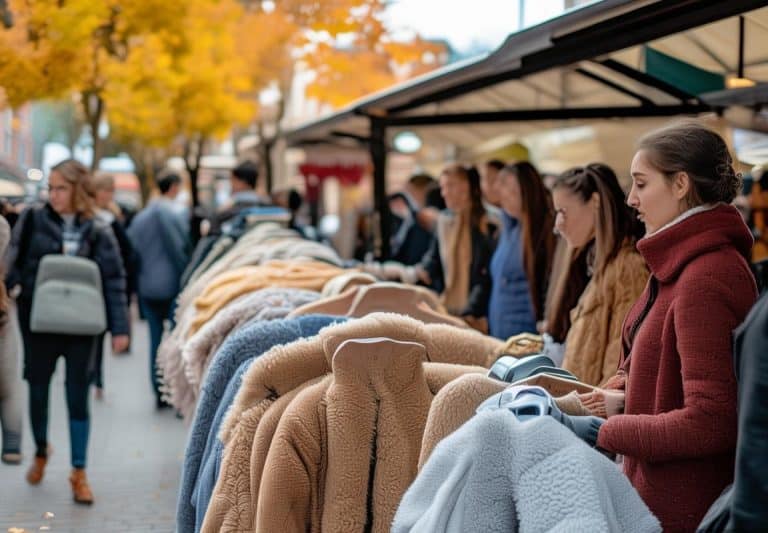
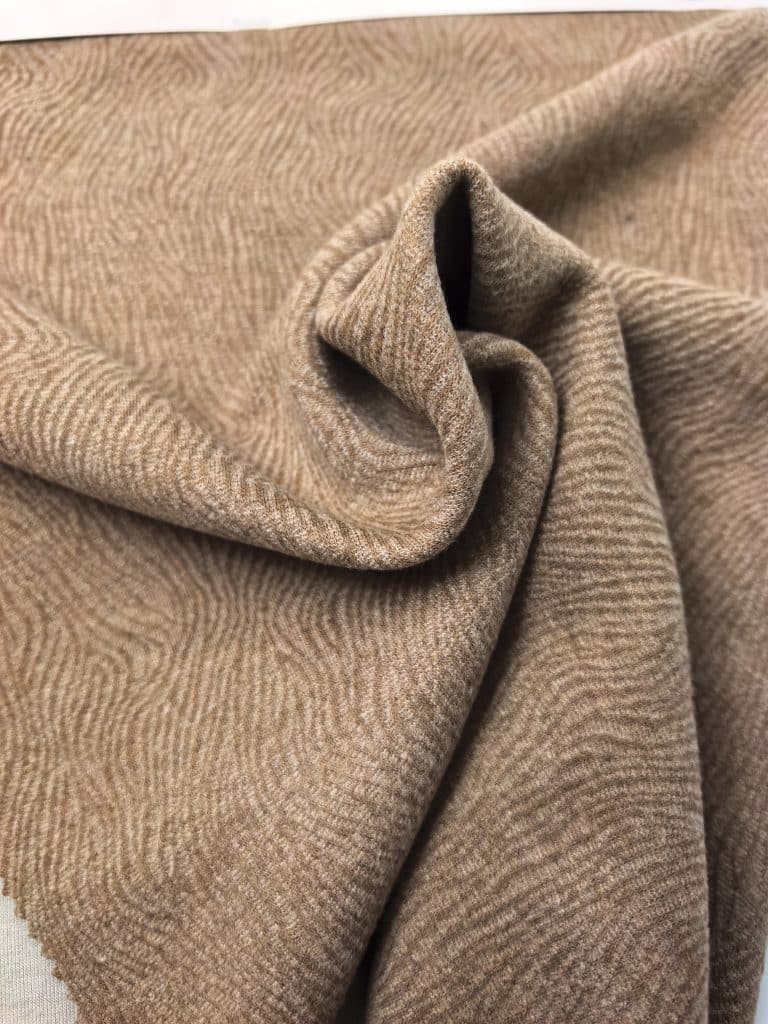
Imitation cashmere polyester adhesive fabric, with its soft touch and cost advantage close to natural cashmere, is gradually occupying the autumn and winter clothing market. The driving force behind its market demand comes from consumers’ dual pursuit of high cost-effectiveness and visual texture. Fast fashion brands use this to reduce costs by 30% to 50%, and the conversion rate of the “100 yuan cashmere touch” label in e-commerce channels is extremely high. The key technological innovation lies in the double-sided weft knitting technology and post finishing fuzzing and shearing process, combined with anti-static and anti pilling treatment, making the fabric close to 90% of natural cashmere in terms of warmth, rebound, and machine wash stability, with a cost of only 25-30% of the latter. In terms of sustainable material substitution, the combination of recycled polyester and bio based viscose fibers reduces carbon footprint by about 60%, meeting the environmental certification requirements of Europe and America. This fabric is continuously eroding the market share of pure cashmere and acrylic blend products.